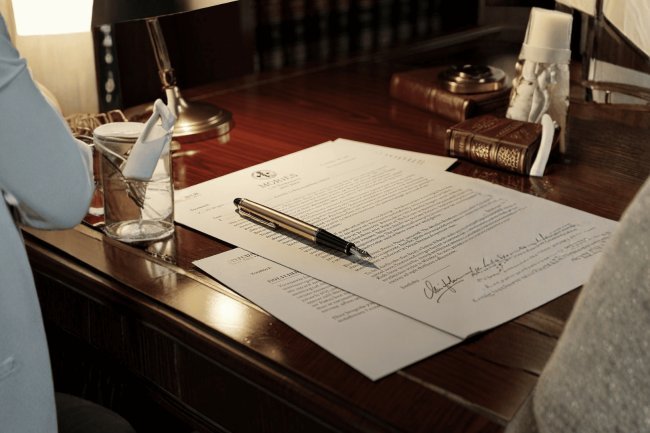
Landlord and Tenant Disputes: Mastering Your Rights
Rent disputes, wrongful evictions, withheld deposits, and missed notice deadlines — rental conflicts can be financially devastating and emotionally draining for both landlords and tenants. Understanding your legal rights and responsibilities before a dispute arises is the single most powerful step you can take to protect yourself. This presentation breaks down the most common flashpoints in landlord-tenant law and explains why written agreements, receipts, and notice clauses are not mere formalities — they are your primary line of legal defense.

RENTAL LAW INSIGHT
The Hidden Cost of “Handshake” Agreements
Informal rental arrangements may feel convenient, but in law they create ambiguity that courts must resolve — often in ways neither party expects.
01
LEGAL GAP
What the Law Does When You Don’t
Courts fill missing terms using statutory defaults and “reasonable expectations,” not personal memory or informal understanding.
This means rent, notice, and obligations may be decided in ways neither party actually intended.
PROOF PROBLEM
The “Intent of the Parties” Problem
Without written proof, disputes become credibility contests.
Courts rely on documents and records — not memory — to determine what was actually agreed.
03
BEST PRACTICE
The Pro-Tenant and Pro-Landlord Rule
A written lease protects both parties equally by defining rent, notice, maintenance, and tenancy terms clearly.
It eliminates ambiguity and prevents expensive misunderstandings.
Key Takeaway
Verbal agreements may feel convenient, but written leases are what the law relies on. If it isn’t documented, it is not reliably protected.
LANDLORD–TENANT LAW
The Power of the Paper Trail
In disputes, documentation outweighs memory. Receipts, records, and written communication often decide outcomes more than verbal claims.
01
EVICTION DEFENSE
Rent Payment Receipts: Your Eviction Shield
A signed receipt is the strongest proof of rent payment in court.
It can immediately counter eviction claims based on alleged non-payment.
DEPOSIT LAW
Security Deposits: Strict Legal Timelines
Landlords must return or justify deductions within strict legal deadlines.
Failure can result in penalties, including forfeiture or double damages.
03
LEGAL PROTECTION
Repair Requests & Maintenance Records
Written repair requests create timestamped legal proof of notice and responsibility.
They protect both tenants and landlords in habitability and damage disputes.
Best Practice
Maintain a complete, organized paper trail — leases, receipts, inspection reports, and written communication — stored safely both physically and digitally. Documentation is your strongest legal protection.
TENANCY LEGAL TIMELINES
Notice Clauses: Your Legal Lifeline
Notice rules are strict, time-bound, and legally decisive. Missing a deadline can permanently alter rights in eviction, entry, or lease termination disputes.
EVICTION PROCESS
⚠️ “Pay or Quit” Notices
A formal notice gives tenants a strict cure window (3–14 days depending on jurisdiction).
Acting within this period can stop eviction entirely — ignoring it removes legal protection.
????
PROPERTY RIGHTS
Landlord Entry Notices
Most jurisdictions require 24–48 hours’ written notice before entry.
Unauthorized entry may violate tenant privacy rights and trigger legal liability.
????
LEASE TERMINATION
Non-Renewal & Termination Notices
30–90 day notice rules apply depending on lease terms and law.
Missing deadlines can create holdover tenancy and legal exposure.
Key Legal Principle
Notice clauses are not procedural formalities — they are enforceable legal triggers. Missing them can permanently change rights, obligations, and outcomes.
RENTAL DISPUTE ANALYSIS
Common Conflict Flashpoints
Most landlord-tenant disputes arise from predictable triggers. Understanding them early helps prevent litigation and financial loss.
01
MOST COMMON TRIGGER
Non-Payment of Rent
The leading cause of eviction cases.
Early engagement, written payment plans, and rental assistance applications can often prevent escalation into court proceedings.
Ignoring a Pay or Quit notice significantly reduces legal options.
LEASE VIOLATION
Unauthorized Occupants
Adding long-term occupants without written consent breaches lease terms.
Proper screening and lease amendments protect both parties from legal risk.
⚠️
ILLEGAL ACTION
Self-Help Eviction Hazards
Lockouts, utility cuts, or forced removal are unlawful.
Courts can impose heavy penalties even if rent is unpaid.
Key Insight
Most rental disputes are preventable. Early communication, written documentation, and lawful procedures protect both tenants and landlords from escalation.
COURTROOM FLOW
Navigating the Courtroom
Eviction proceedings are highly procedural. Understanding each stage helps protect rights, avoid technical losses, and respond effectively under pressure.
The Scope of the Eviction Hearing
Eviction hearings are narrow proceedings focused primarily on the right to possession. Courts generally do not decide unrelated claims such as repairs or deposits in the same hearing. Tenants must prepare strictly within the scope and bring all relevant documents including lease agreements, receipts, notices, and communications.
ENFORCEMENT MECHANISM
The Writ of Possession
A writ of possession is the only legal instrument that allows physical eviction. It is issued by the court after judgment and executed by the sheriff or marshal. Until this writ is formally issued and delivered, no landlord can legally remove a tenant from the property under any circumstances.
APPEAL WINDOW
10-Day Appeal Right
Tenants typically have a short statutory window to file an appeal after judgment. Missing this deadline permanently finalizes the eviction outcome.
Rent Bond Requirement
Many jurisdictions require a bond equal to rent owed or ongoing rent to stay in possession during appeal proceedings.
Execution of Writ
If no appeal bond is posted, the writ is executed and physical possession is transferred to the landlord through legal enforcement.
Key Insight
Outcomes in eviction cases are often determined not only by facts, but by procedural compliance. Understanding timing, documentation, and enforcement stages is essential to protecting legal rights on both sides.
FINAL PRINCIPLE
The Bottom Line: Documentation Is Your Defense
Across landlord–tenant disputes, outcomes are determined less by argument and more by verifiable records. Documentation is the legal backbone of every claim and defense.
Never Pay Cash Without a Signed Receipt
Cash transactions must always be backed by a written, signed, and dated receipt specifying the rental period and purpose. Without documentation, payment becomes legally disputable, and courts may not recognize it as proof of rent fulfillment.
Build and Maintain a Dedicated Tenancy File
Save every lease, notice, email, and message from the start of tenancy.
Organize documents chronologically for fast retrieval during disputes.
Keep digital backups in cloud storage or with a trusted third party.
Treat your tenancy file as legal evidence, not casual paperwork.
LEGAL REALITY
A Written Lease Is Your Best Protection
A lease defines rights and obligations clearly. Without it, disputes are resolved by judicial interpretation rather than mutual understanding, which almost always disadvantages the party without documentation.
Core Principle
Ambiguity in rental relationships is always resolved by courts, not memory or intent.
Critical Practices That Strengthen Your Legal Position
✓
Document move-in and move-out condition with photos and signed checklists.
✓
Respond to all legal notices within deadlines and in written form.
✓
Seek legal advice early, before disputes escalate into litigation.