Digital Evidence Insight
The Screenshot Trap
Screenshots feel strong — but in law, credibility depends on verifiable digital proof, not appearance.
✦
Why Screenshots Feel Easy
- Instant capture of chats, transactions, and alerts
- No technical knowledge required
- Easy to share and present visually
- Universally understood format
⚠
Why Screenshots Fail in Court
- No source verification or origin proof
- Easily edited or fabricated
- No embedded metadata or audit trail
- Legally challengeable in court proceedings
Critical Insight
The absence of metadata is not a minor flaw — it is a structural credibility gap that can weaken or collapse an entire case.
Digital Evidence Framework
The Core Pillars of Digital Evidence
Strong digital evidence is not accidental — it must satisfy three legal and technical pillars to be admissible in court.
✦

Authentication
Proves that digital evidence is genuine and originates from the claimed device, account, or platform using logs, IDs, and technical verification.
⧉

Integrity
Ensures data has not been altered using cryptographic hashing (SHA-256, MD5) that detects even the smallest modification.
????
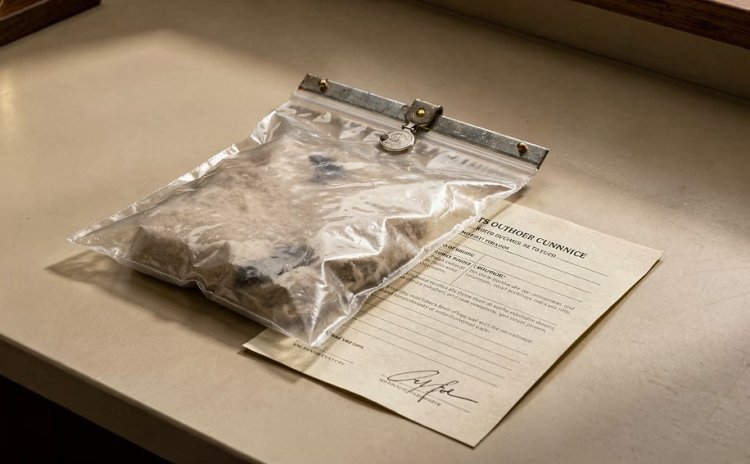
Preservation
Maintains chain of custody, secure storage, and forensic handling to ensure evidence remains untouched from collection to court.
Key Insight
Evidence is only as strong as its weakest pillar — authentication, integrity, and preservation must all work together for legal admissibility.
Digital Forensics Layer
Metadata: The Silent Witness
Metadata is the invisible forensic layer that determines whether digital evidence stands or collapses in court.
⏱
What Metadata Reveals
Metadata proves the when, who, and how behind digital content — timestamps, device IDs, account logs, and application traces that validate authenticity beyond visible content.
????
The Fatal Flaw: Edited Screenshots
Editing destroys forensic integrity — timestamps reset, hashes break, EXIF data is stripped, and software traces expose manipulation, undermining legal credibility.
⚖
Why Courts Depend on It
Courts rely on metadata as independent corroboration — in many cases it becomes the decisive proof that confirms or contradicts the visible evidence.
Critical Insight
Metadata is not optional technical detail — it is the silent witness that determines whether digital evidence is accepted, rejected, or reversed in court.
Digital Evidence Guide
WhatsApp, Emails, and CCTV
Each form of digital communication carries distinct forensic requirements. The strength of a case depends on how evidence is collected, preserved, and authenticated for each category.
✉
Emails: Headers Are Everything
Email bodies are unreliable in isolation. Courts require full headers showing routing paths, IP addresses, SPF/DKIM/DMARC validation, timestamps, and server logs. Screenshots alone are not admissible.
????
WhatsApp & Chats: Extraction Over Screenshots
Screenshots are weak evidence. Courts require forensic extraction from devices using certified tools to retrieve databases, timestamps, deleted messages, and metadata with hash verification.
????
CCTV: Chain of Custody is Critical
Only original DVR/NVR footage is admissible. Copies introduce generation loss and break chain of custody. Hash verification, time sync validation, and expert authentication are essential.
Digital Forensic Standard
ISO/IEC 27037 Framework
The internationally recognized benchmark for digital evidence handling — defining how evidence must be identified, collected, acquired, and preserved for legal admissibility.
1
Phase 1: Identification
Locate all potential digital evidence sources — devices, cloud accounts, logs — and document them before any handling begins.
2
Phase 2: Collection
Secure devices, prevent modification, and apply write-blocking methods while documenting system state and connectivity.
3
Phase 3: Acquisition
Create bit-for-bit forensic images and verify integrity using SHA-256 cryptographic hash validation.
4
Phase 4: Preservation
Maintain secure chain of custody, store evidence safely, and ensure all analysis is performed only on verified copies.
Expert Verification
The difference between a screenshot that is dismissed and one that becomes court-admitted evidence often depends on engaging a certified digital forensic examiner early. Expert witnesses validate methodology, tools used, and the hash verification chain, transforming technical data into legally persuasive proof.
Digital Forensics Framework
The Forensic Standard: ISO/IEC 27037
A structured global guideline for identification, collection, acquisition, and preservation of digital evidence used in legal proceedings.
1
Identification
Locate all potential evidence sources — devices, cloud accounts, logs, and backups — before collection begins. Proper identification prevents loss of critical digital artifacts.
2
Collection
Secure devices and apply write-blocking methods to prevent modification. Document device state, connectivity, and environment before handling.
3
Acquisition
Create a bit-by-bit forensic image using certified tools and verify integrity using SHA-256 hashing. This ensures tamper-proof replication of original data.
4
Preservation
Maintain secure storage, chain of custody, and access control. Always work on verified copies, never originals.
Expert Verification: The difference between dismissed screenshots and court-admitted evidence often depends on early involvement of a certified digital forensic examiner who can validate methodology, tools, and hash verification chains.
The Final Verdict: Build Your Case to Last
Digital evidence is fragile, time-sensitive, and technically complex. Handling it correctly determines whether it survives in court.
Prioritize Original Sources
Always prefer forensic extraction or certified exports over screenshots.
Document Everything
Every action must be timestamped, logged, and reproducible in court.
Treat Evidence as Fragile
Assume data can disappear anytime — act immediately to preserve it.
Digital Evidence Survival Checklist
01 Identify sources → 02 Engage forensic expert → 03 Apply ISO/IEC 27037 → 04 Hash verification → 05 Chain of custody maintained
"The integrity of digital evidence is the foundation of justice in the digital age."