Consumer Complaint Playbook: Fight Defective Products and Bad Service
Every year, millions of consumers are sold defective products, receive shoddy services, or are simply stonewalled when they ask for a fair resolution. Knowing how to fight back — strategically and effectively — can make all the difference between getting ignored and getting results. This guide walks you through your rights, how to build a bulletproof case, how to demand refunds or replacements, where to file complaints online, and when to escalate to consumer commissions. Whether you're dealing with a broken appliance, a botched repair, or a seller who simply refuses to help, this playbook gives you the tools to stand your ground.
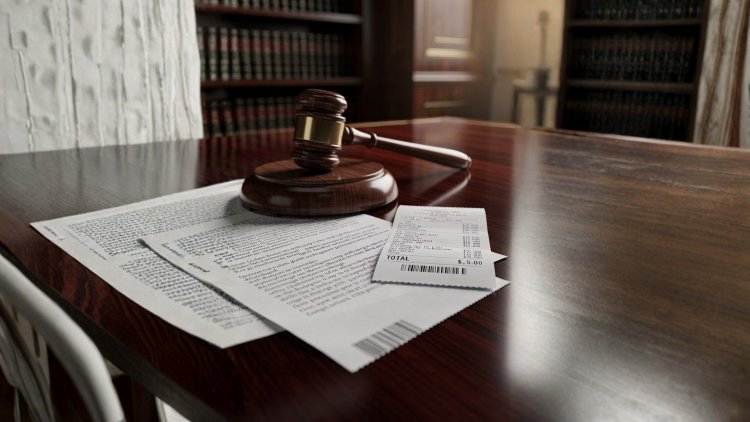
CHAPTER 1: Know Your Rights (and the Real Problem)
Consumer protection law covers far more than defective products — it includes bad services, misleading practices, and failures to meet reasonable expectations of quality and performance.
What Counts as a Defective Product?
A product is defective when it fails to perform as reasonably expected, is unsafe, arrives damaged, or does not match its description or specifications. This includes missing parts, early breakdowns, or misrepresented “as-is” items.
What Counts as Bad Service?
Bad service includes incomplete repairs, abandoned work, misrepresented costs or scope, or refusal to address legitimate complaints. A denial of reasonable assistance itself constitutes consumer harm.
Your Core Legal Protections
Consumers are entitled to refund, repair, or replacement for goods not fit for purpose or not as described. Misleading advertising, false claims, and unfair trade practices are also covered under consumer protection laws.
Misleading Practices Are Covered
False claims, bait-and-switch tactics, hidden charges, and misleading advertisements are prohibited. Such practices qualify as deceptive trade conduct under consumer protection laws.
When Your Rights Begin
Consumer rights begin at the moment of purchase. They do not depend on warranties, registrations, or extended plans — a valid receipt is generally enough to invoke statutory protection.
CHAPTER 2: Make Your Case Like a Pro (Before You Complain)
Strong consumer cases are won before the complaint is ever filed. Proper documentation transforms a weak grievance into a credible, evidence-backed claim that is difficult to dismiss.
Gather Physical Documents
Collect receipts, invoices, contracts, warranty cards, repair orders, and transaction proofs. These establish what was purchased, what was promised, and what was actually delivered. Credit/debit records and cancelled checks also strengthen your baseline proof.
Create a Complaint Log
Maintain a running timeline of every interaction with the business. Record dates, times, names, and exact statements made. This log helps establish patterns of delay, denial, or broken promises.
Save Every Communication
Preserve emails, messages, chats, and call summaries. Always follow up verbal calls with written confirmation. Never delete conversations — even unproductive ones form part of your evidence trail.
Document the Defect Visually
Take clear photos and videos of defects or issues from multiple angles. For intermittent issues, record them when they occur. Visual evidence is highly persuasive and difficult to dispute.
Organize Everything in One Folder
Keep all documents in a single physical or digital folder labeled with the business name and purchase date. A well-organized file signals credibility and makes escalation significantly stronger.
CHAPTER 3: Refund / Replacement Claims That Actually Get Responses
Most disputes are resolved without escalation — but only when you communicate clearly, escalate correctly, and structure your complaint like a professional claim, not an emotional message.
Online Complaints: Don't Guess — Choose the Right Target
Filing a complaint online is powerful — but only when directed to the correct authority in the correct sequence. Misrouting delays resolution and weakens your leverage.
When to Approach Consumer Commissions
Escalation is not a last resort born of frustration — it is a structured, strategic process. Knowing when and how to escalate determines whether your complaint disappears or triggers accountability.
What's Your Reaction?